
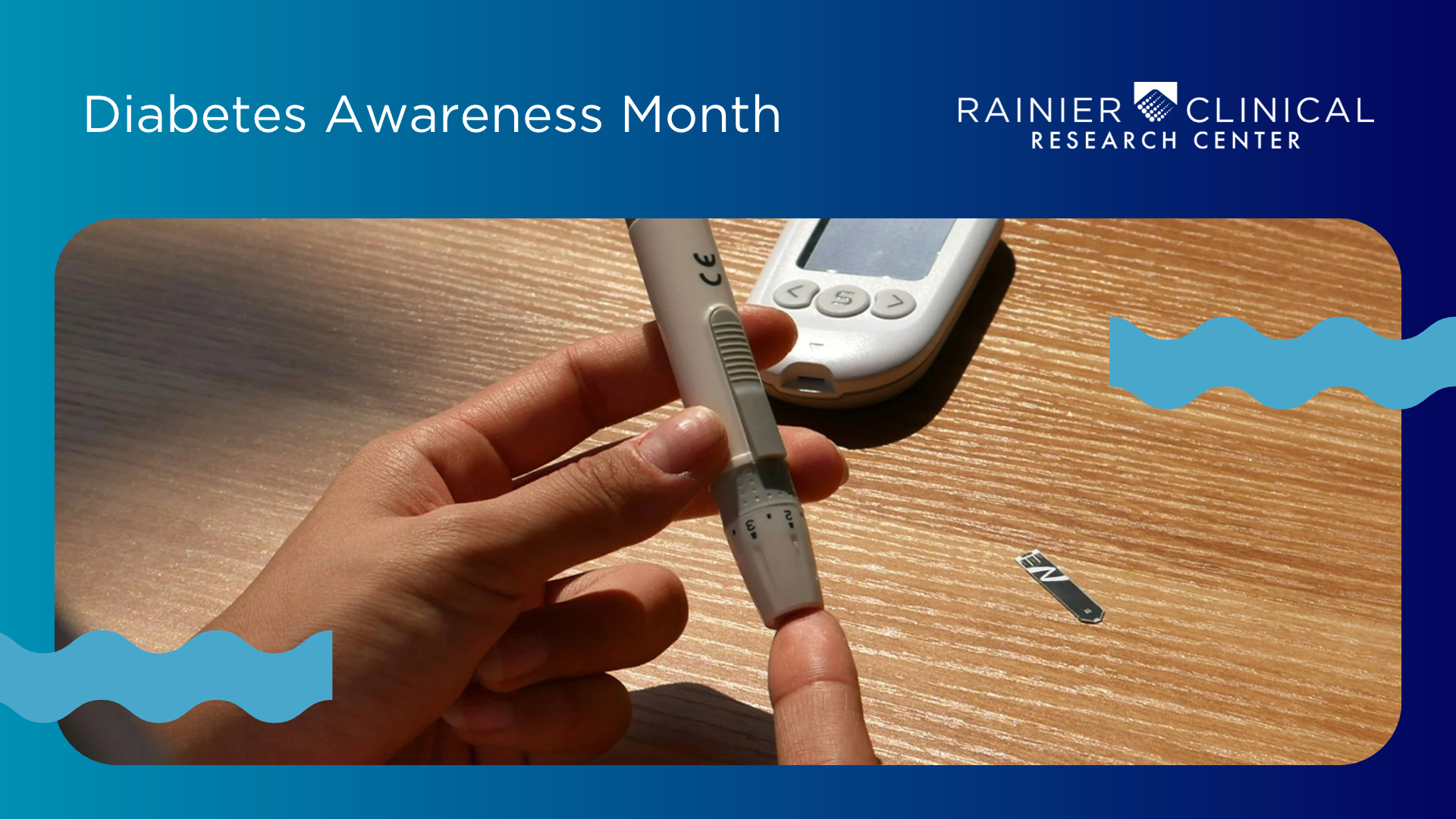
November is Diabetes Awareness Month.
November is Diabetes Awareness Month, a chance to learn more about a condition that affects millions of people. It’s also a good time to think about ongoing research aimed at improving diabetes care. Although diabetes is often discussed as one disease, different types have different causes and require different approaches to treatment. Type 1 diabetes is a condition that is well known for the challenges it presents, and the questions researchers are still working to answer.
Understanding Type 1 Diabetes
Type 1 diabetes is an autoimmune condition in which the immune system mistakenly attacks the insulin-producing cells in the pancreas. Insulin helps glucose move from the bloodstream into the body's cells, where it can be used for energy. When the body produces little or no insulin, glucose builds up in the blood and can lead to serious health complications.
The condition can develop at any age, although it is commonly diagnosed in children and young adults. Researchers have not identified a single cause, but genetic and environmental factors are believed to play a role.
One common misconception is that diabetes results from eating too much sugar or making unhealthy lifestyle choices. That is not the case with Type 1 diabetes. The condition cannot currently be prevented, and people with it need insulin therapy to manage blood glucose levels.
Recognizing the Symptoms
Type 1 diabetes symptoms can appear over a relatively short period. Common warning signs include unusual thirst, frequent urination, increased hunger, unexplained weight loss, fatigue, and blurred vision.
Recognizing these symptoms matters. Without timely treatment, Type 1 diabetes can lead to diabetic ketoacidosis (DKA), a medical emergency that requires immediate care. Anyone experiencing possible symptoms should seek medical evaluation promptly.
An accurate diagnosis helps people start treatment and learn to manage the condition. From monitoring blood glucose to adjusting insulin around meals and physical activity, daily management requires ongoing attention and support.
Why Awareness Matters
For people living with Type 1 diabetes, management does not stop when they leave a doctor's office. Blood glucose levels can fluctuate throughout the day because of meals, exercise, stress, illness, and other factors. Even with advances in glucose monitors and insulin delivery technology, managing the condition can be daunting.
Diabetes Awareness Month offers an opportunity to address misconceptions, share information, and recognize the experiences of people and families living with diabetes. It also highlights an important part of the conversation: research.
How Clinical Studies Support Progress
There is still much to learn about Type 1 diabetes, including how the condition develops and how future treatments might improve outcomes. Clinical trials for diabetes allow researchers to investigate these questions and evaluate potential new approaches to care.
Depending on the study, research may focus on therapies, preservation of insulin-producing cells, disease progression, advances in continuous glucose monitors (CGM) or insulin pumps, or many other aspects of Type 1 diabetes. Each study follows a specific protocol, with eligibility requirements and procedures that participants must understand before enrolling.
Clinical research studies cannot absolutely guarantee a new treatment or a direct health benefit for participants. However, well-conducted studies build the evidence needed to guide future medical decisions and advances in diabetes care.
Explore Type 1 Diabetes Research With RCRC
Diabetes Awareness Month reminds us that progress depends on both greater understanding and continued scientific investigation.
Rainer invites you to learn more about its clinical studies and the research taking place in diabetes care. Explore available study information, review eligibility requirements, and discover whether a research opportunity may be right for you.
Learn more about Rainier's clinical studies to take the next step in understanding ongoing diabetes research.